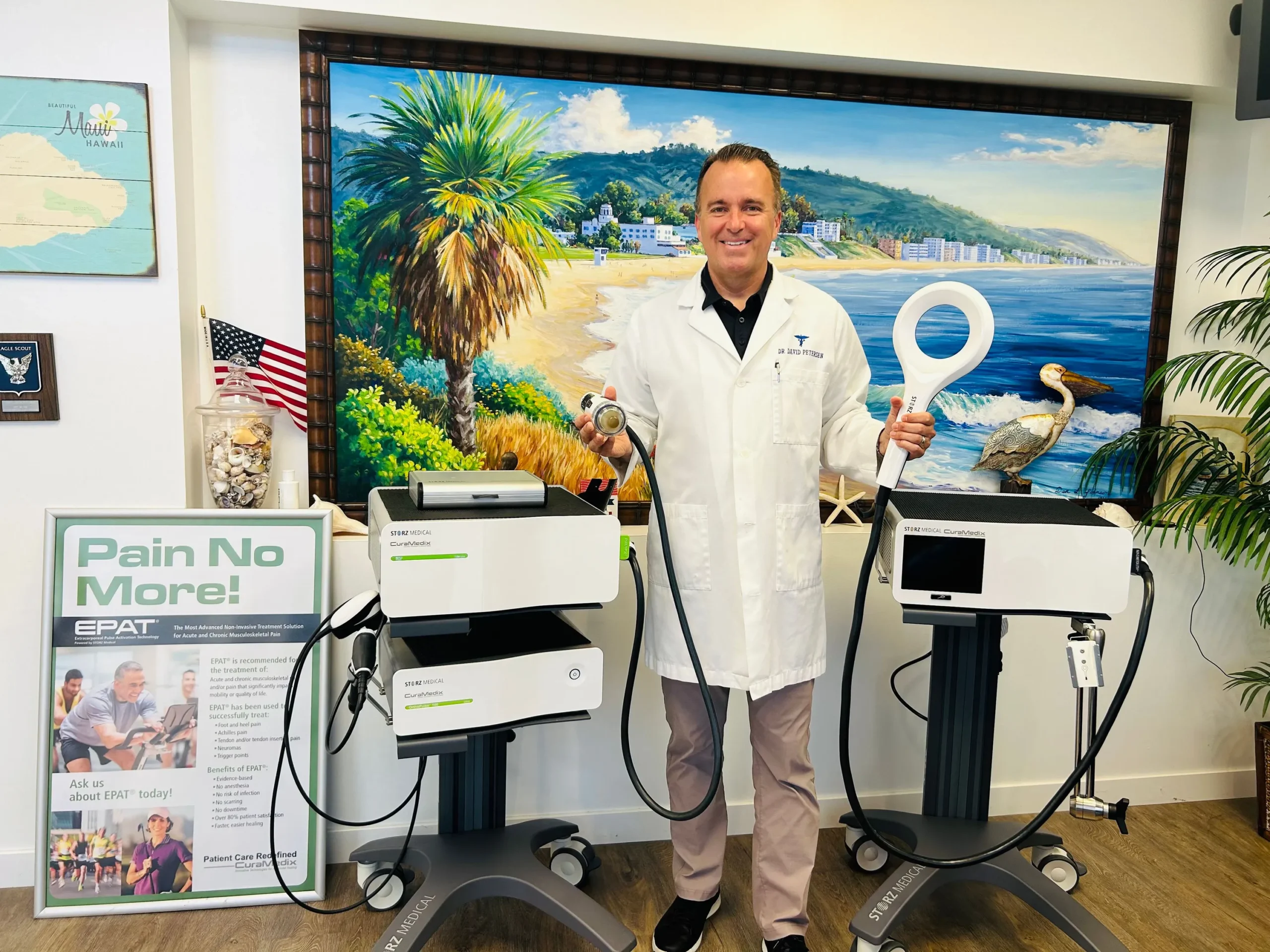
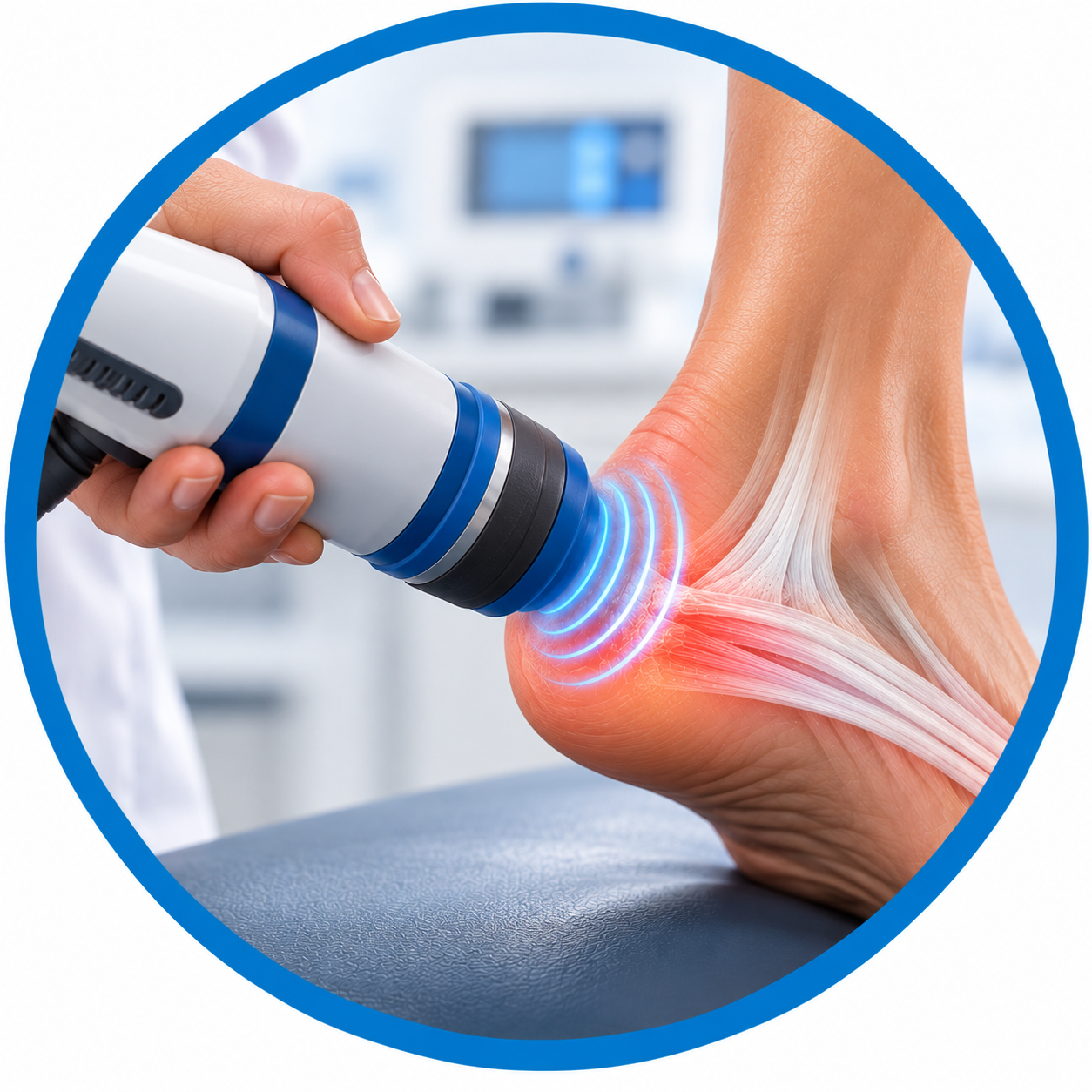
Shockwave Therapy
Shockwave therapy uses targeted acoustic energy and may support healing in certain painful musculoskeletal conditions.
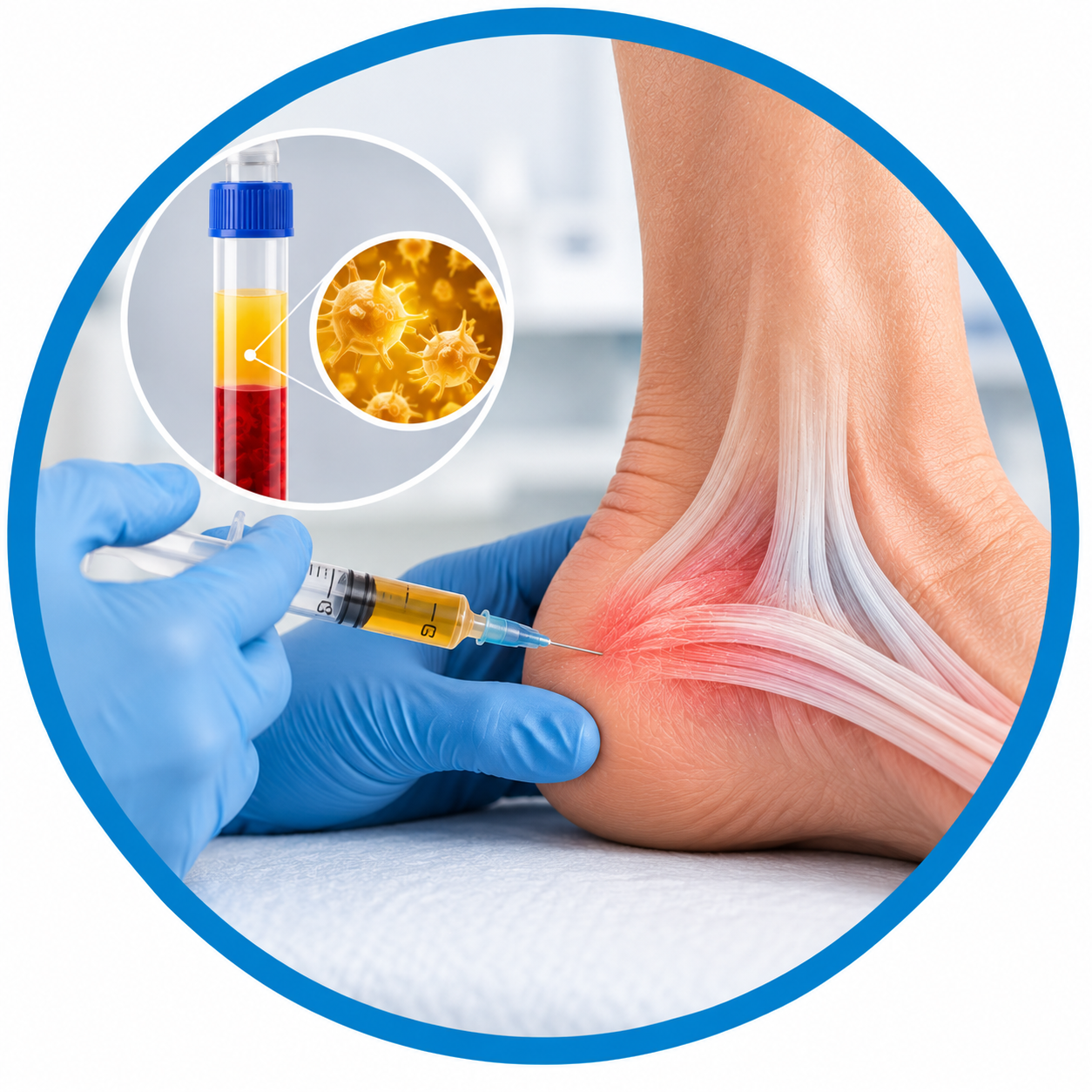
PRP Injections
PRP injections use concentrated platelets from the patient’s blood to support healing in eligible conditions.
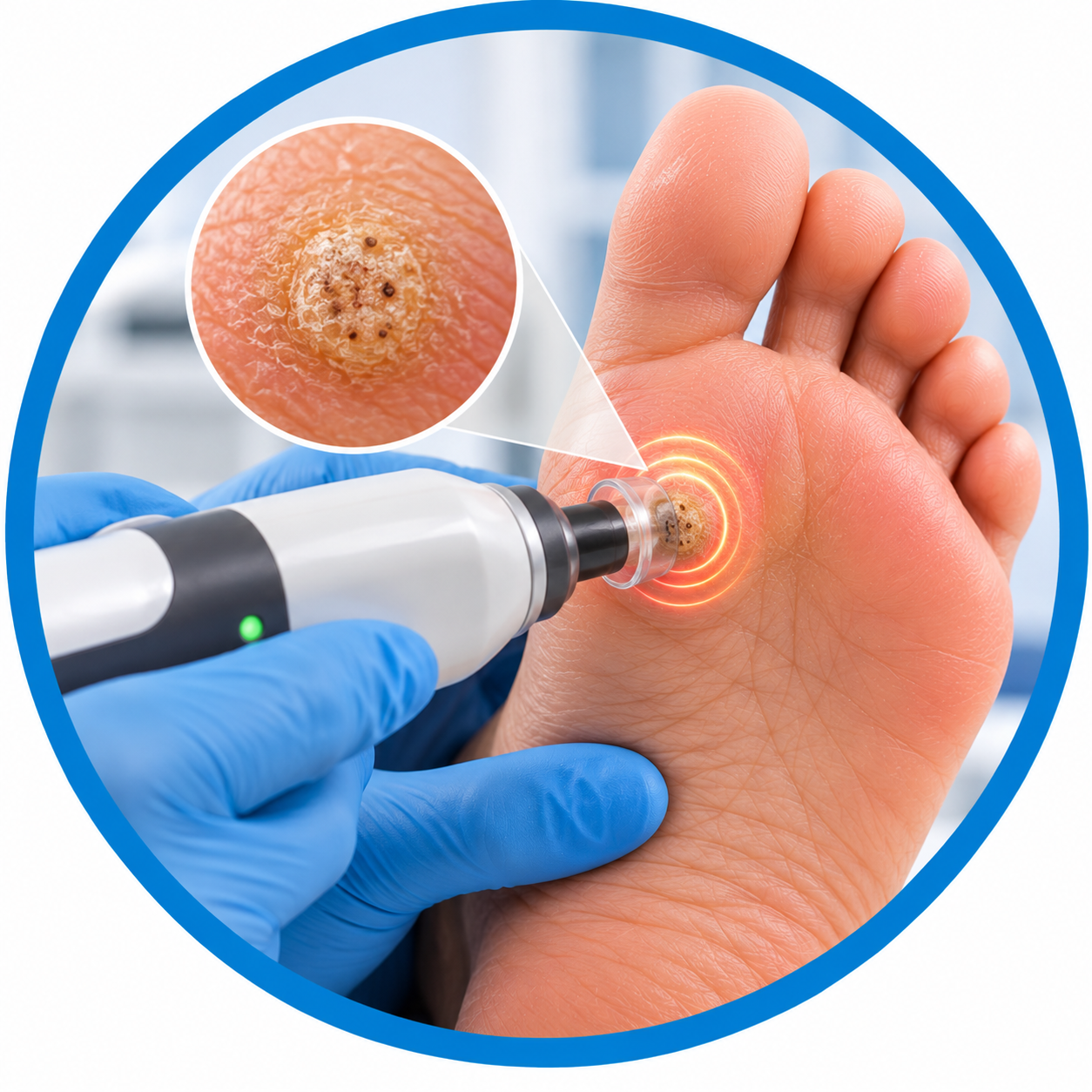
SWIFT Wart Treatment
SWIFT uses controlled microwave energy to treat eligible plantar warts without damaging the surrounding skin.
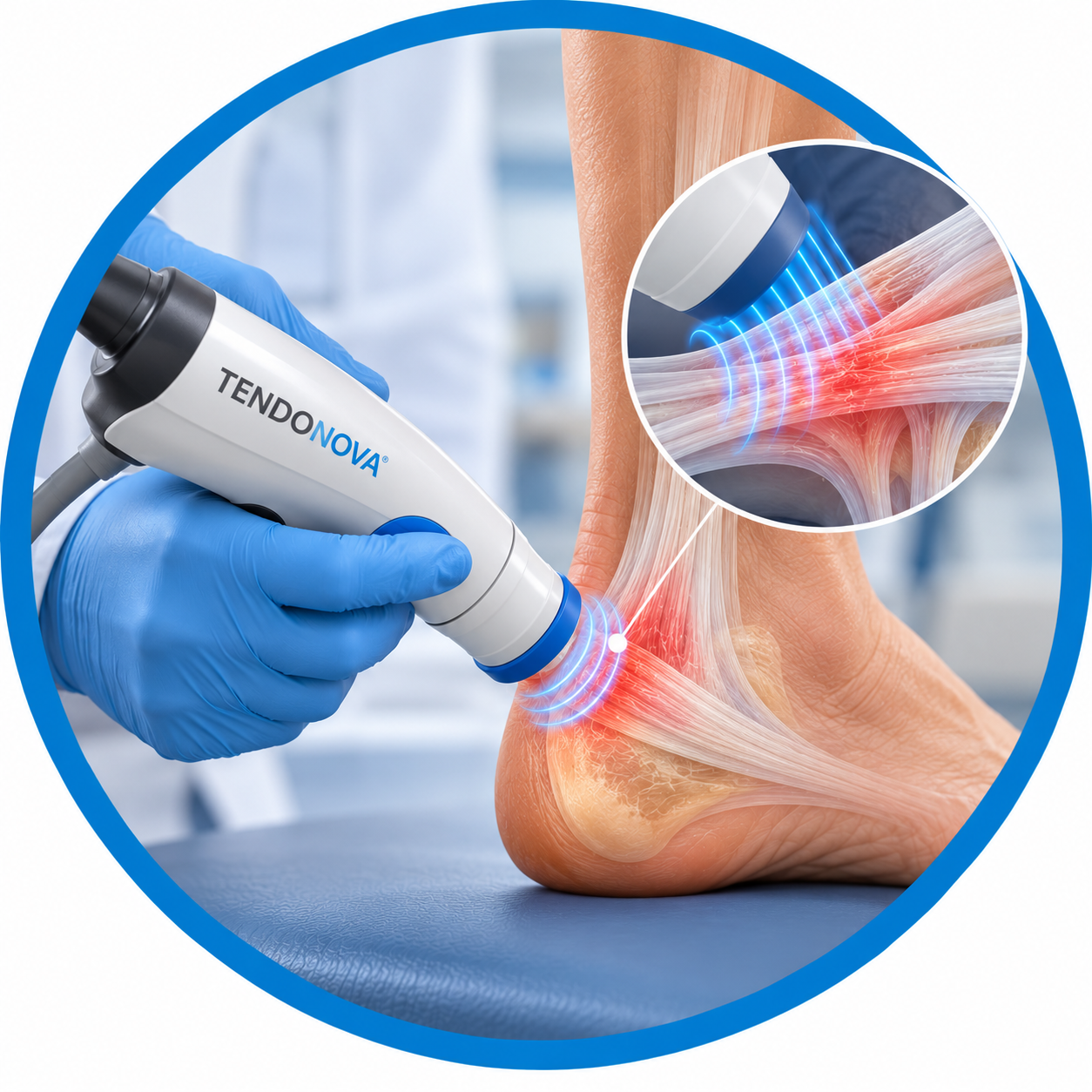
Tendonova
Tendonova may be used to address certain chronic tendon concerns through a minimally invasive procedure.
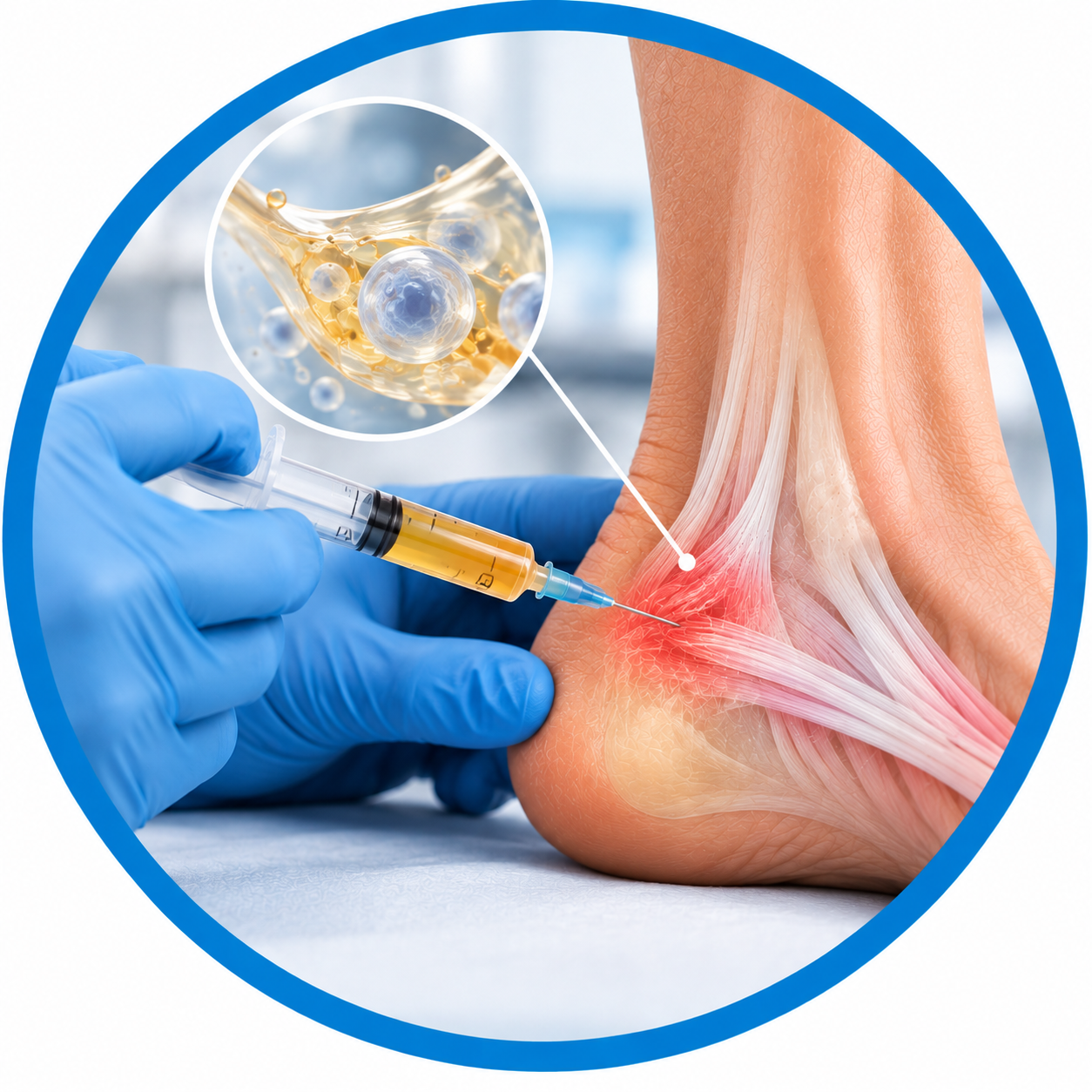
Amniotic Therapy
Amniotic therapy uses processed amniotic tissue products and may be considered for certain eligible conditions.
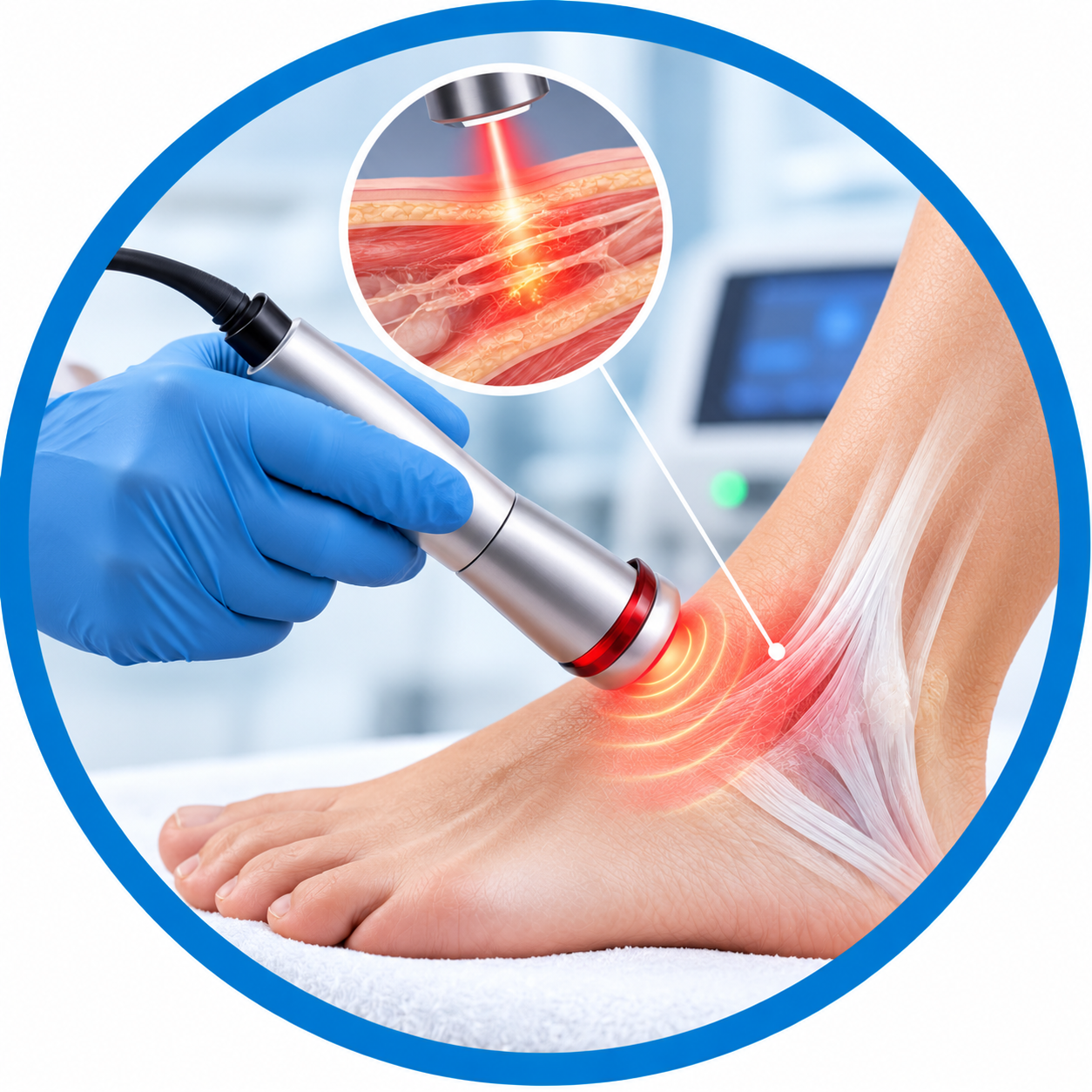
Laser Treatment for Pain
Laser therapy uses focused light energy and may help manage pain in selected musculoskeletal conditions.
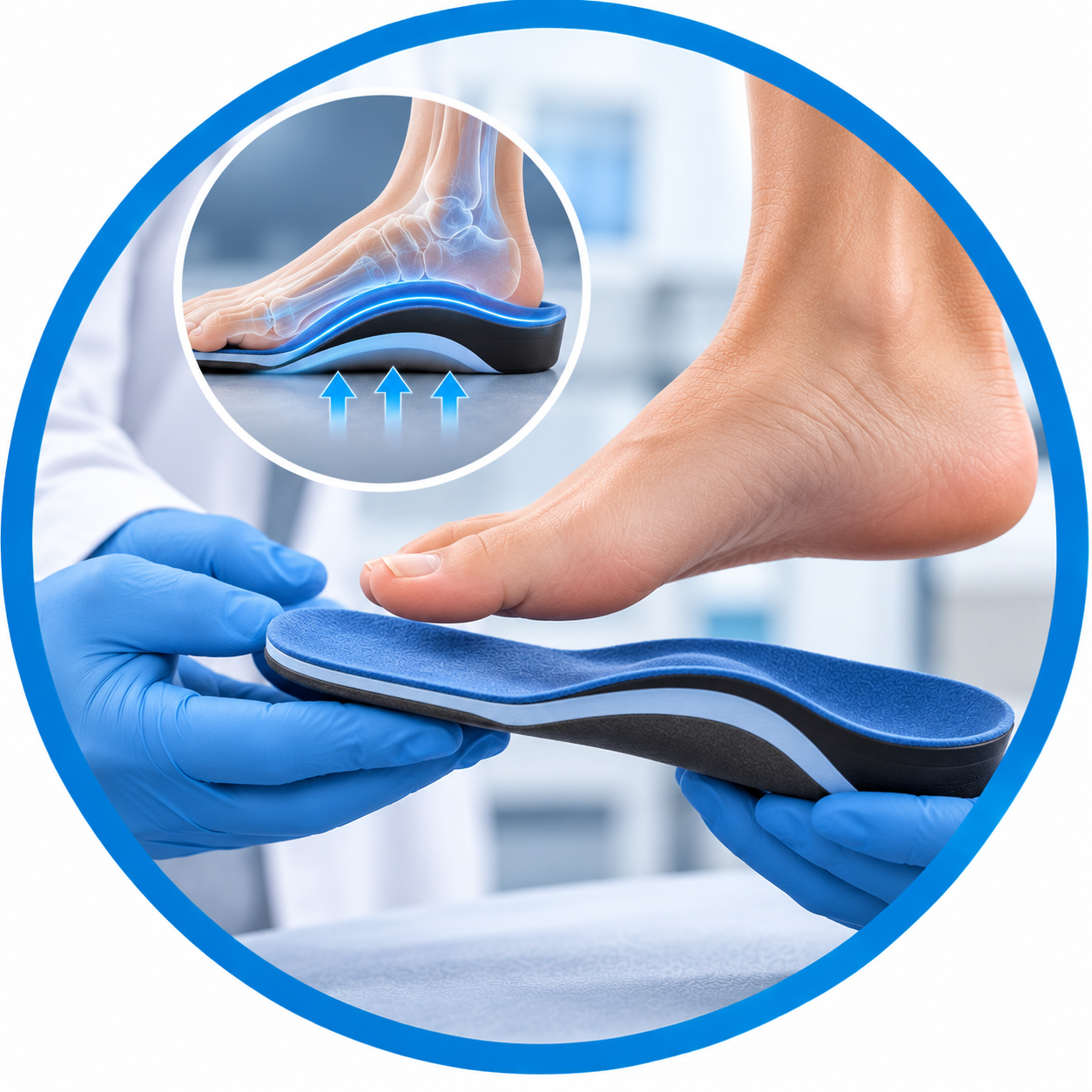
Custom Orthotics
Custom orthotics are created from foot scans to support alignment, comfort, and individual movement needs.
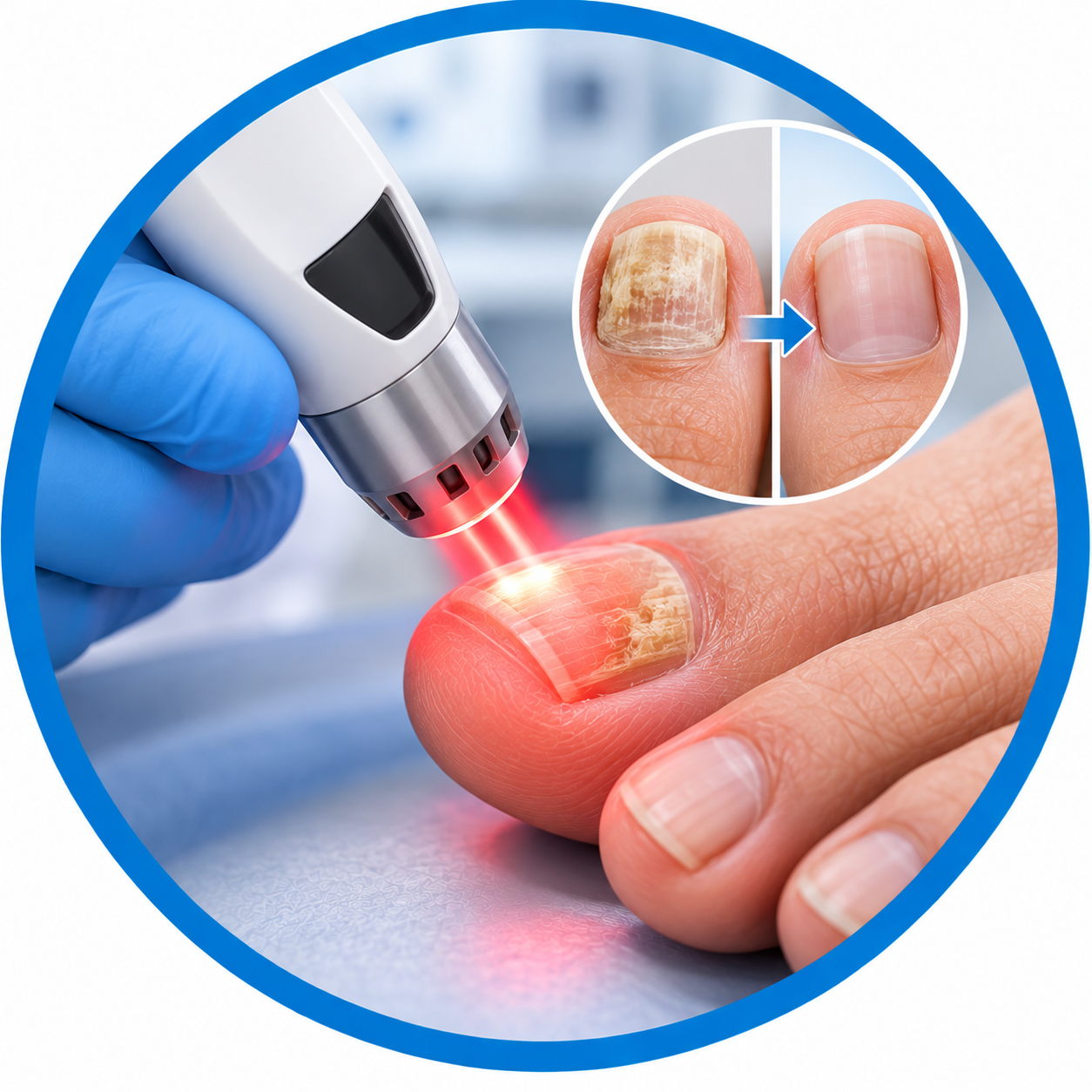
Laser Treatment for Fungal Nails
Laser treatment may be considered for eligible fungal toenail infections following an appropriate clinical evaluation.

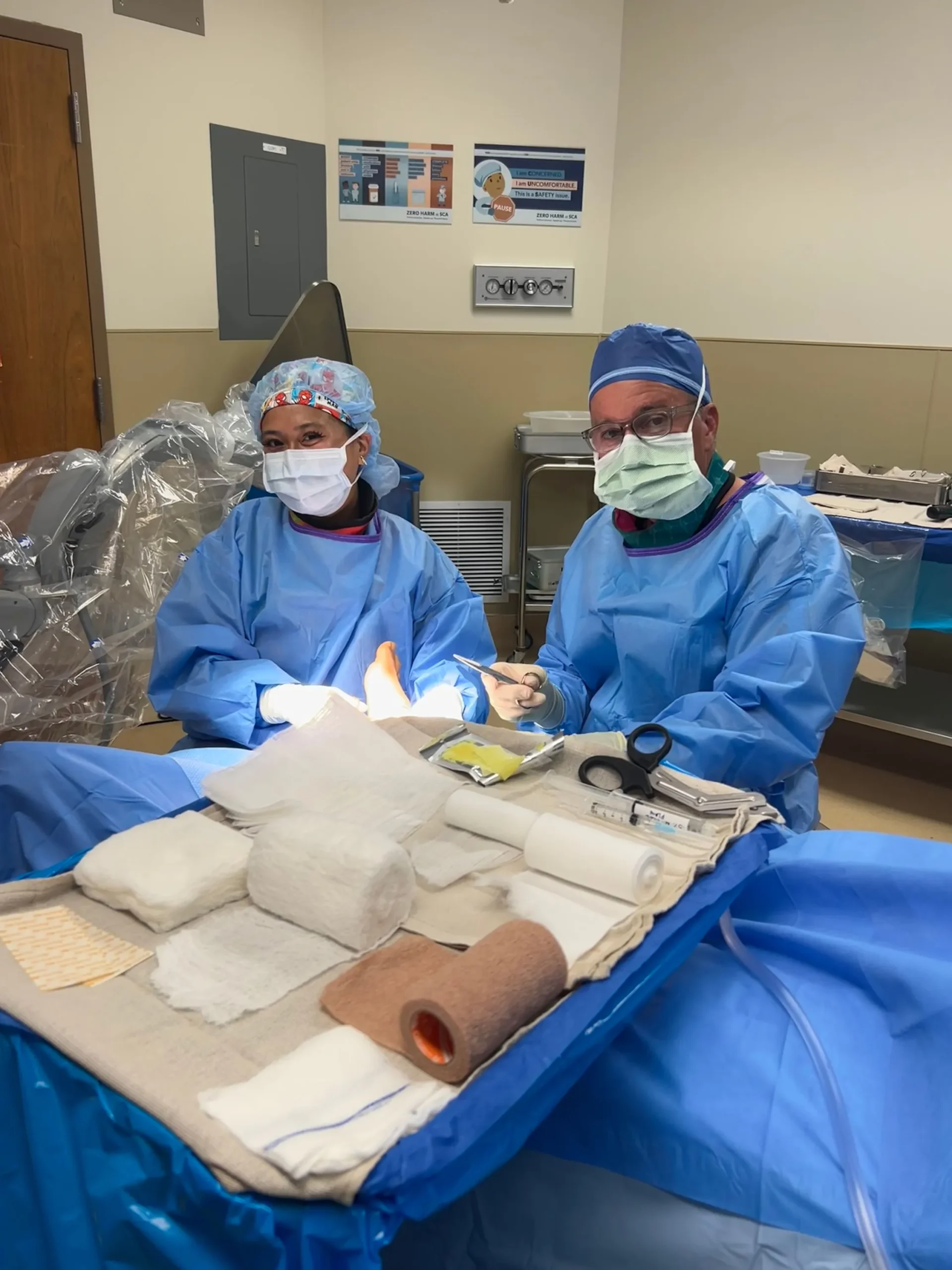
Foot and Ankle Surgery
Surgical treatment may be discussed when appropriate for structural problems, injuries, pain, or ongoing limitations.

Diagnostic Services
Diagnostic services may include physical examination, movement assessment, digital X-rays, and clinical evaluations.